
Africa · Tanzania · Destination guide
Serengeti
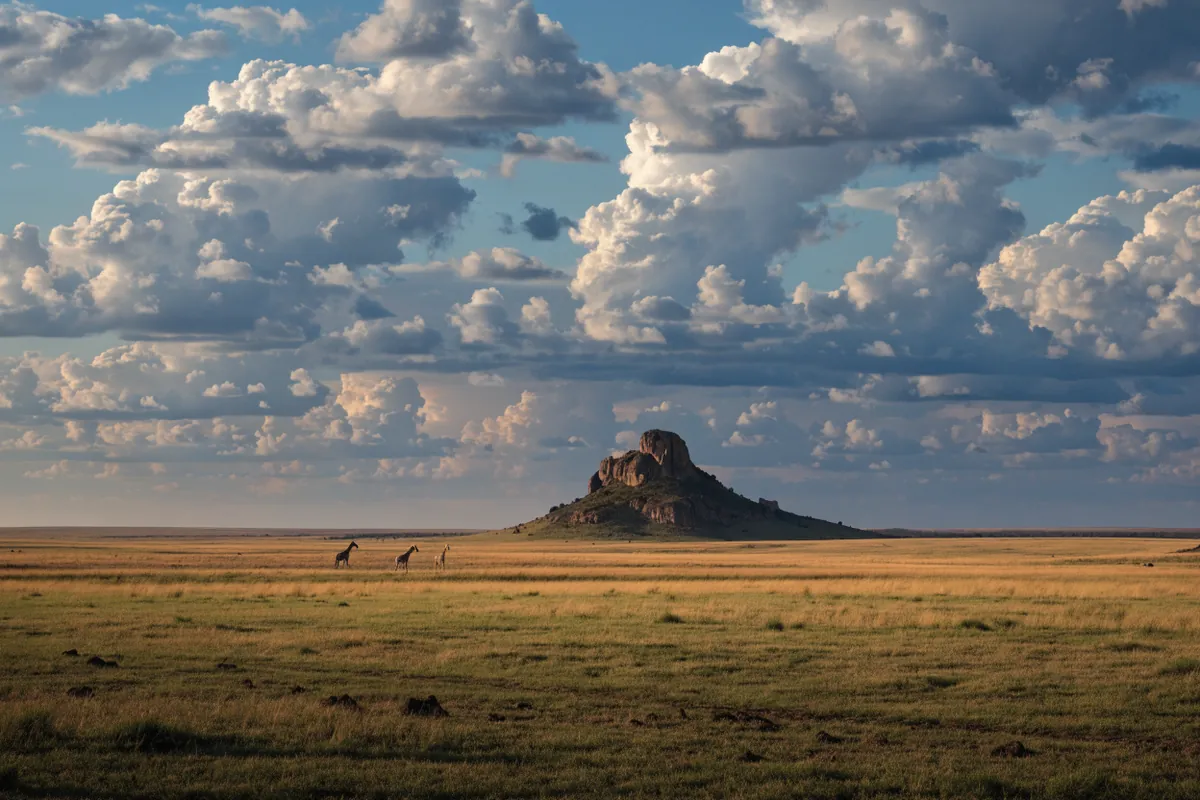
A Serengeti safari starts with an area and a season, not just a park name. Match the camp to the landscapes and wildlife interests that matter to you, then allow time to settle into safari days.
- Wildlife
- Wide horizons
- Seasonal journeys
Your starting point
Choose an area before choosing the number of camps
Consider four or more nights if the Serengeti is the centre of your holiday, then adjust to your flights and interests. One well-chosen camp can suit a shorter stay. Two areas make more sense when the different scenery or seasonal purpose justifies the journey between them. Count full days in the park, not only nights on the itinerary. TANAPA lists Kilimanjaro or Arusha as the nearest airports and says park gates close at 6 PM, so reaching the park means a long road day or a light-aircraft connection, and drives start early; sunrise balloon flights and guided bush walks are optional extras rather than part of every day. [1] If anyone in the group finds long hours in a vehicle difficult, fewer camp moves and a flight in can make the safari easier.
Suggested lengths are starting points for a conversation. Your final route depends on your dates, interests and availability.
Seasonal movement: follow the planning logic
TANAPA highlights the park’s migration and different seasonal wildlife experiences. We match your camp to the part of the park that suits that time of year, because where your drives begin matters more than a famous camp name. [1]
A safari day: more than one sighting
The park includes predators, large herbivores and varied birdlife. Give your guide room to respond to what is happening that day. A photograph of one animal should not be the only measure of the trip; watching behaviour and spending time in the landscape are reasons to slow down. [1]
A second camp: give the move a purpose
When two camps make sense, we show you their locations, the time between them and whether the transfer includes good viewing time. We suggest a move only when it adds something to your safari.
When to go
The travel month helps choose the camp area
TANAPA identifies June–October as the dry-season window and January–February for calving-season interest. We use these windows to recommend the right area for your dates before fixing accommodation, especially when a particular wildlife interest shapes the trip. [1]
Getting around
Compare the whole connection, door to door
Once the camp is set, we choose road or air and confirm the arrival point, pickup, baggage rules for any flights and the daylight left for the final transfer. If the Serengeti follows another park, we shape the connecting day around how much vehicle time suits your group.
Follow your curiosity
More places to consider
If Serengeti caught your eye, follow the scenery, experiences or places that interest you.
- Wildlife alternative
Maasai Mara
Compare a guided safari shaped around wildlife, time on the plains and a suitable base.
Explore the guide ↗ - A separate trip stage
Zanzibar
Balance Stone Town heritage with a settled coastal stay rather than changing beaches every day.
Explore the guide ↗ - Wildlife alternative
Gorongosa
Explore a conservation-focused wildlife stay with guided activities suited to the season and group.
Explore the guide ↗
Like the look of more than one? Tell us, and we’ll plan the travel days between them for you.
Explore more in Africa →Make it yours
Your trip. Your kind of days.
Share your month, total safari nights and whether your priority is migration, varied wildlife or a slower camp experience.
A little clarity before you go
Questions before you plan
Is a short stay enough to see everything?
No safari covers every area, so for a shorter stay we focus on one well-chosen area and a comfortable daily rhythm. Fewer moves leave more time for wildlife.
Can Zanzibar follow the safari?
Yes, as a separate coastal stage. We confirm the flight connection, baggage arrangements and hotel transfer before settling the number of beach nights, and add a buffer if the connections make the last day tight.
Need help with the arrangements? Explore our travel services, or compare more destinations in Africa.
Official planning sources · checked 16 October 2026
Route lengths and pacing are our planning suggestions, and the official sources give destination background. We confirm opening arrangements and transport for your travel dates, and go through entry requirements with you, as we plan your trip.