
Europe · Central Europe · Destination guide
Poland
Choose Polish cities for the different stories they tell. A well-paced rail route leaves time for history, neighbourhood life and a considered museum visit.
- Historic cities
- Rail journeys
- Cultural context
Your starting point
A week for two cities, longer for three
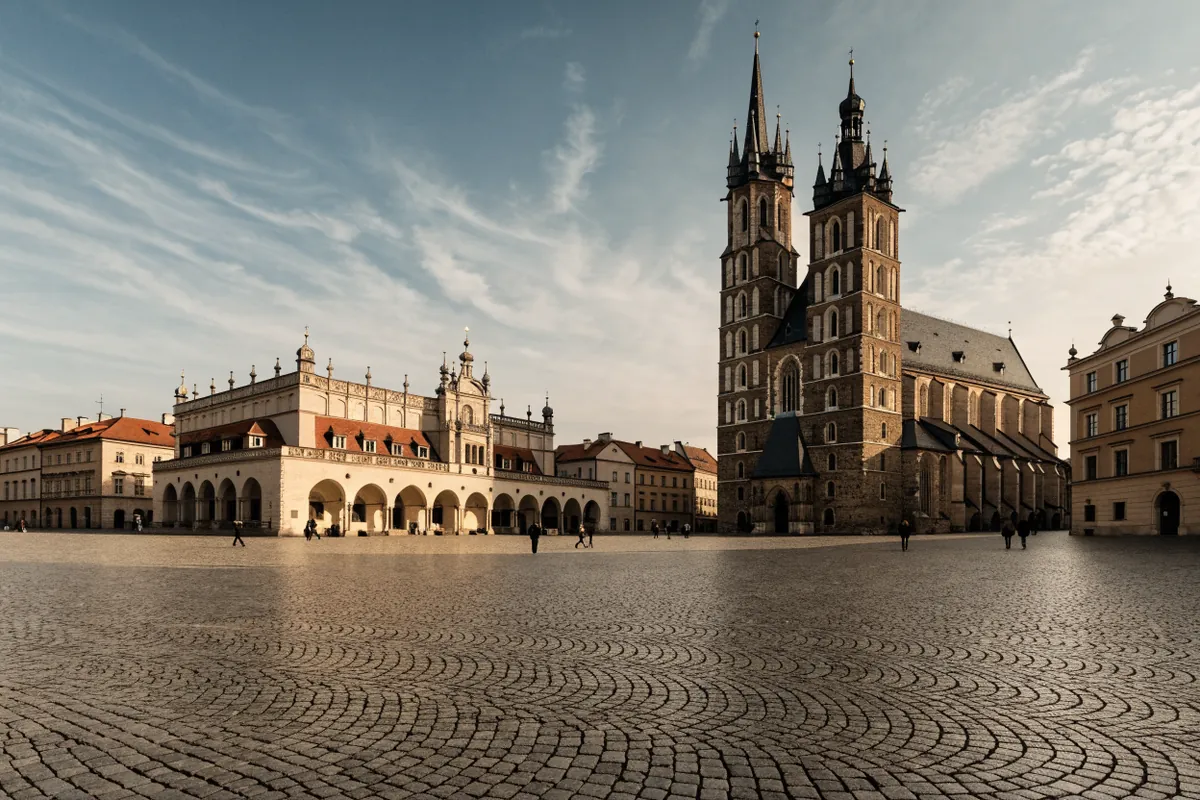
Consider Warsaw and Kraków for a first week, or pair Warsaw with Gdańsk if the northern city is a priority. Add the third city only when the extra nights support it. Decide which museums or historical subjects matter before dividing the time equally between stops.
Suggested lengths are starting points for a conversation. Your final route depends on your dates, interests and availability.
Warsaw: give the city a full introduction
Poland’s tourism campaign presents Warsaw through architecture, neighbourhoods and city life. Use a guided introduction if you want context, then leave time to explore a particular district independently. The capital deserves more than an airport stop on the way elsewhere. [1]
Kraków: keep important visits unhurried
Choose a city walk and the collection or historical visit that matters most. If adding a memorial visit, give it appropriate time and preparation rather than placing it between entertainment stops. The Auschwitz-Birkenau Memorial’s standard guided tour lasts about three and a half hours, and entry to both sites needs a personalised pass reserved online, which we arrange. Plan it as most of a day, and we can talk through whether it suits younger travellers. [4]
Gdańsk: choose a northern stay for a reason
When to go
Use the museum calendar to organise the sequence
Poland Travel suggests May–June and September–October for warm weather with smaller crowds. Summer runs from about late May to the end of August; winter is cold and the days are noticeably shorter, so plan fewer outdoor hours. [3] We confirm opening days and any reservations for your most important visits, keep some walking time flexible for the forecast and spread indoor stops across the days. For a seasonal coastal extension, we confirm local services separately from the city route.
Getting around
Choose the right train for each stage
Poland’s official timetable guidance notes that services can differ in journey length and changes. We compare the train type, station and reservation conditions for each departure, include the hotel connection and leave breathing room before any timed visit after arrival. [2]
Follow your curiosity
More places to consider
If Poland caught your eye, follow the scenery, experiences or places that interest you.
- A nearby choice
Czech Republic
Compare Prague with smaller Bohemian towns, building the route around city walks and rail choices.
Explore the guide ↗ - A nearby choice
Germany
Connect urban culture and river landscapes with a rail route built around fewer overnight bases.
Explore the guide ↗ - A nearby choice
Slovakia
Balance mountain walks with heritage towns, choosing outdoor days for your group’s ability.
Explore the guide ↗
Like the look of more than one? Tell us, and we’ll plan the travel days between them for you.
Explore more in Europe →Make it yours
Your trip. Your kind of days.
Tell us the cities or historical interests that matter most, and whether the trip should prioritise museums, neighbourhoods or a northern extension.
A little clarity before you go
Questions before you plan
Should we visit Warsaw, Kraków and Gdańsk in six nights?
Two cities usually allow a more considered short trip. Choose the pair that best matches your interests and save the third for a longer route.
Are all trains between the same cities equally quick?
No. Journey times vary with the departure, service and changes, so we pick the train that suits your day. [2]
Need help with the arrangements? Explore our travel services, or compare more destinations in Europe.
Official planning sources · checked 17 October 2026; additions checked 18 October 2026
- Polish Tourism Organisation: city route ideas
- Poland Travel: checking rail timetables
- Poland Travel: Polish weather and climate
- Auschwitz-Birkenau Memorial: visiting
Route lengths and pacing are our planning suggestions. Official sources provide destination background. We confirm opening arrangements and transport for your travel dates, and go through entry requirements with you, as we plan your trip.